Tiny Packages, Big Feelings: Why Japanese Snacks Are America's New Comfort Food
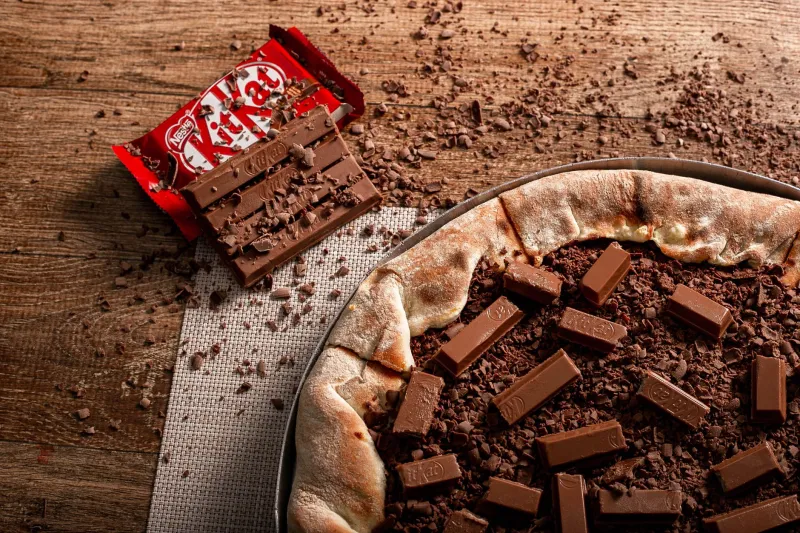
There's a specific kind of joy that hits when you tear open a Japanese Kit Kat wrapper for the first time. It's not just the flavor — though matcha white chocolate does something genuinely unreasonable to your brain — it's the whole experience. The elegant packaging. The unexpected color. The feeling that you've somehow discovered something the rest of the world isn't quite in on yet. That feeling? That's exactly why Japanese snacks have become America's most talked-about comfort food, and nobody's slowing down anytime soon.
The Convenience Store That Started It All
In Japan, the konbini — short for convenience store — is basically a cultural institution. Chains like 7-Eleven Japan, Lawson, and FamilyMart don't just sell snacks; they curate them. Seasonal flavors, regional exclusives, limited-edition collabs — the whole setup treats snacking like a genuine art form. That sensibility has crossed the Pacific in a big way.
American consumers first started catching glimpses of Japanese snack culture through travel vlogs and early YouTube food channels in the mid-2010s. But it was TikTok that really blew the doors open. "Japanese snack haul" videos rack up millions of views without breaking a sweat. Creators film themselves unboxing Pocky in flavors you'd never find at a CVS, tasting through towers of Hi-Chew varieties, or reverently holding up Kit Kats like they're small edible artifacts. The comment sections are electric — half the people have already tried everything, and the other half are immediately Googling where to buy it.
The Novelty Factor Is Real — But It's Not the Whole Story
Sure, novelty plays a huge role here. Americans love a limited edition anything. But calling Japanese snack culture just a novelty trend undersells what's actually going on.
These products hit different because they're considered. Japanese snack manufacturers put serious thought into texture, portion size, flavor balance, and even how the packaging feels in your hand. Hi-Chew, for example, has a chew that's almost meditative — firm but yielding, with a flavor that builds slowly rather than slamming you upfront. Pocky's whole thing is the contrast between the crisp biscuit stick and the coating, a ratio that's been refined over decades. These aren't accidental pleasures. They're engineered ones.
American snack culture has historically leaned toward bigger, louder, more — more sugar, more salt, more crunch, more everything. Japanese snack philosophy tends to find the sweet spot (literally) and then sit there with confidence. For a lot of US consumers, especially younger ones who've grown up overstimulated, that restraint feels almost radical.
Collectibility Is Changing the Game
Here's where it gets really interesting from a cultural standpoint: Japanese snacks have developed a genuine collector's market in the US. Certain seasonal Kit Kat flavors — sakura, roasted tea, regional sweet potato varieties — are traded, gifted, and sometimes resold at markups that would make a sneakerhead nod in recognition.
Subscription boxes like Bokksu and TokyoTreat have built entire business models around this energy, delivering curated Japanese snack assortments monthly to hundreds of thousands of American subscribers. These aren't just snack boxes — they're discovery engines. Each shipment comes with lore: regional context, flavor notes, cultural background. You're not just eating a rice cracker; you're learning about the prefecture it came from. That added layer of meaning transforms a simple snack into something closer to a cultural artifact.
This is where the fashion parallel becomes surprisingly apt. Think about how streetwear drops work — limited availability, cultural cachet, the thrill of the find. Japanese snacks operate on a similar emotional frequency. Getting your hands on a cherry blossom Kit Kat in February before they sell out carries a quiet flex energy that the US snack aisle simply cannot replicate.
Mainstream Shelves Are Taking Notice
The market has caught up fast. Hi-Chew is now stocked at Target, Walmart, and most major grocery chains. Pocky has been a Trader Joe's staple for years. But the really telling shift is happening at premium and specialty retailers — places like Mitsuwa Marketplace, H Mart, and even upscale grocery stores now dedicate entire sections to Japanese imports, presented with the same care you'd see in a wine or cheese department.
And American food brands are paying attention. The influence of Japanese snack aesthetics — clean packaging, muted pastels, flavor names that lean poetic rather than aggressive — is already bleeding into domestic product design. You can see it in the wave of "elevated" American candy brands that have launched in the past few years, all quietly borrowing the visual language of the konbini shelf.
A Generational Identity Marker
For Gen Z and younger millennials, Japanese snacks have become a genuine identity signal — a way of communicating taste, curiosity, and cultural awareness without saying a word. Bringing Pocky to a hangout or keeping a stash of Hi-Chew at your desk says something about who you are and what you care about. It's the same reason people wear certain brands or listen to certain artists. Culture doesn't stay in its lane, and snacks are no exception.
At Yukkou, we've always believed that the most interesting cultural exchanges happen in the smallest, most everyday moments. And honestly? Nothing's more everyday than reaching for a snack. The fact that millions of Americans are now reaching for something wrapped in Japanese and feeling a genuine sense of connection to a culture they may never have visited — that's not a trend. That's a bridge. A delicious, perfectly portioned, limited-edition bridge.