The Beauty of Less: How Japanese Wabi-Sabi Became America's Most Coveted Luxury Aesthetic
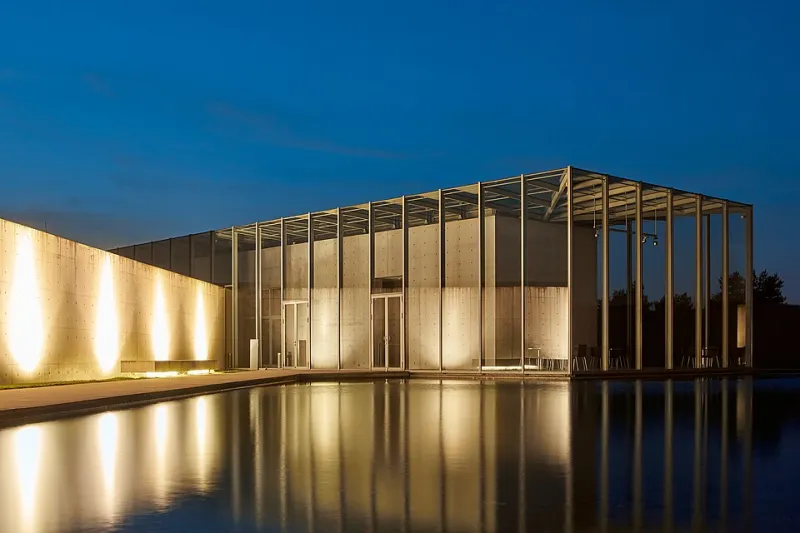
Photo: Anıl Öztaş, CC BY-SA 4.0, via Wikimedia Commons
There's a particular kind of expensive that doesn't look expensive. A linen shirt with an intentional wrinkle. A ceramic mug with an uneven glaze. A living room with three objects in it, all of them worn in a way that feels deliberate. If you've been noticing this vibe creeping into the Instagram feeds of people with very nice apartments, or into the lookbooks of brands that charge $800 for a plain jacket, you're watching something real unfold. Japanese minimalism — specifically the philosophy of wabi-sabi — has quietly become the dominant aesthetic language of American luxury, and it's not slowing down.
What Wabi-Sabi Actually Means (And Why It's Hard to Translate)
Wabi-sabi is one of those Japanese concepts that loses something every time someone tries to summarize it in a bullet point. At its core, it's a worldview that finds beauty in impermanence, imperfection, and incompleteness. A cracked tea bowl repaired with gold lacquer — the Japanese practice of kintsugi — is wabi-sabi made physical. So is a weathered wooden beam, a handmade pot that's slightly lopsided, or a garden that looks like it grew without much human interference.
The philosophy has roots in Zen Buddhism and the Japanese tea ceremony tradition, where the entire point was to create a space stripped of pretension. Nothing showy. Nothing that announced its own value. The beauty was quiet, and you either felt it or you didn't.
American luxury culture has historically operated on the opposite principle. Logos. Shine. Visible price tags in the form of recognizable design codes. But something has shifted — and the shift is dramatic enough that major brands are redesigning their entire visual identities around concepts they're borrowing directly from Japan.
The Fashion Industry's Quiet Revolution
Look at what's happening in high-end American fashion and you'll see the influence everywhere, even when it's not labeled as such. The rise of "quiet luxury" — the understated, logo-free aesthetic that dominated fashion conversation over the last few years — is essentially wabi-sabi dressed up in American retail language.
Brands like Toteme, The Row, and Aesop (yes, technically Australian, but deeply indebted to Japanese design philosophy) have built enormous followings among affluent American consumers by doing less. Neutral palettes. Natural materials. Minimal branding. Clothes and products that communicate wealth precisely because they don't try to. The Japanese term for this kind of understated refinement is shibui — a restrained elegance that reveals itself slowly — and it's become the aspirational standard for a specific tier of American consumer.
Designers like Issey Miyake and Yohji Yamamoto laid the groundwork for this decades ago, bringing Japanese spatial thinking and anti-maximalist philosophy to Western runways. But what's different now is that these ideas have moved from the avant-garde into the mainstream luxury market. You don't have to shop at a niche boutique to encounter them anymore. They're in Nordstrom's top tier. They're in the home goods section of stores that used to sell maximalist everything.
Interior Design and the $4,000 Empty Room
Fashion is only part of the story. The wabi-sabi influence on American interior design might actually be more profound, because it's reshaping how wealthy Americans think about their homes — which is to say, their most visible status symbols.
The maximalist interiors that defined aspirational American home design for decades — the overstuffed sectionals, the gallery walls, the open shelving crammed with carefully curated objects — are giving way to something emptier and more deliberate. Designers working with high-end clients in New York, LA, and Chicago are increasingly citing Japanese spatial philosophy as their reference point. Less furniture. More negative space. Materials that age visibly and beautifully rather than resisting time.
Japanese aesthetic concepts like ma (the meaningful use of empty space) and mono no aware (the bittersweet awareness of transience) are showing up in design briefs written by people who may not know those terms but are absolutely responding to the feeling they create. A concrete wall left intentionally rough. A wood floor that shows its grain without being lacquered into submission. A kitchen with no visible storage, nothing on the counter, just surface and light.
This kind of space is expensive to create, which is part of why it signals wealth so effectively. Emptiness, it turns out, costs more than fullness.
Why Affluent Americans Are Buying Into Imperfection
There's a sociological dimension to this trend that's worth sitting with. Wabi-sabi's rise in American luxury culture isn't just an aesthetic preference — it's a response to something. Specifically, it's a response to the exhaustion of a culture that has spent decades equating more with better.
The consumer who's buying into Japanese minimalism right now has almost certainly had the maximalist experience. They've owned the loud logo pieces, the maximally decorated apartment, the full-everything wardrobe. And they've arrived at a place where restraint feels like the more sophisticated position. Choosing less, when you can clearly afford more, is the ultimate flex in a culture where flexing is the default mode.
Japanese philosophy offers a framework for that choice that feels substantive rather than just trendy. Wabi-sabi isn't just "I like simple things." It's a coherent worldview with centuries of cultural and philosophical weight behind it. Affluent American consumers are drawn to that depth — it makes their aesthetic choices feel meaningful rather than merely fashionable.
The Brands Getting It Right (And Wrong)
Not everyone executing this aesthetic is doing it thoughtfully. There's a version of "Japanese-inspired minimalism" that's basically just expensive beige, a surface-level appropriation of an aesthetic without any real engagement with the philosophy underneath it. Walk through enough high-end home goods stores and you'll find plenty of overpriced emptiness that has nothing to do with wabi-sabi and everything to do with a trend cycle.
The brands doing it well are the ones that understand the philosophy, not just the look. Muji — the Japanese retailer that's been operating in the US for years — is the obvious example of authentic execution. But American brands like Parachute in home goods and Entireworld in fashion are engaging seriously with the principles of restraint and honest materials rather than just copying the color palette.
The difference shows. And increasingly, American consumers with real purchasing power can tell.
What This Says About Where American Taste Is Going
If wabi-sabi is the new luxury standard, it suggests something genuinely interesting about where American culture is headed. The embrace of impermanence and imperfection as aspirational values runs counter to a lot of what American consumer culture has historically stood for — permanence, perfection, the relentless upgrade.
Maybe that's exactly why it's resonating so strongly right now. Japanese design philosophy offers an alternative story about value, one where things are worth having because of their character, not their newness. Where beauty is quiet and earned. Where less isn't a deprivation — it's a choice made from a position of confidence.
America is learning to love the imperfect. And Japan, as usual, was there first.