Silent Giants: How Japanese Brands Conquered America Without Ever Raising Their Voice
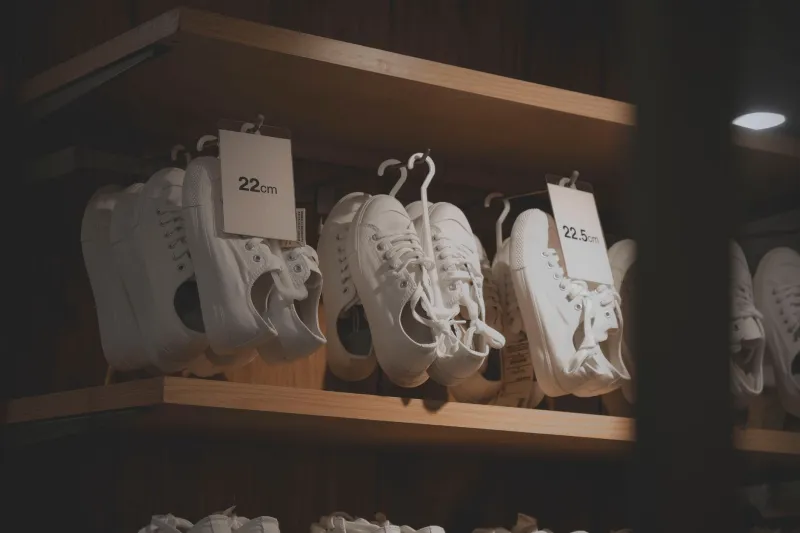
Walk into any Muji store in New York or Los Angeles and something strange happens. Nobody's trying to sell you anything. There's no pushy floor associate rattling off today's promotions. No neon signs screaming SALE in forty-point font. Just clean shelves, neutral tones, and products with names so understated they barely qualify as branding. And yet, somehow, you walk out having spent $200 on a pen, a storage box, and a moisturizer you didn't know you needed.
That's not an accident. That's a philosophy.
Japanese brands have been running a masterclass in anti-marketing for decades, and American consumers — especially younger ones burned out on influencer overload — are finally catching on. The question isn't just why it works. It's why it took us this long to notice.
The Noise Problem Nobody Wants to Admit
American marketing culture is built on volume. More impressions, more reach, more engagement. The assumption has always been that attention equals desire, and desire equals dollars. So brands hire celebrities, chase trending audio, and pour millions into campaigns designed to go viral before breakfast.
But here's the thing about noise: when everything is loud, loud stops working.
Consumers in the US are drowning. The average American sees somewhere between 4,000 and 10,000 ads per day depending on which study you trust. Scroll fatigue is real. Influencer trust is at an all-time low. And a growing segment of shoppers — particularly millennials and Gen Z with actual purchasing power — are actively suspicious of brands that try too hard.
Into this chaos walks Uniqlo, basically whispering.
What 'Quiet Luxury' Actually Means (Hint: It's Not Just About Price)
The term 'quiet luxury' got hot in American fashion circles a couple years back, mostly tied to the aesthetic of shows like Succession — old money, no logos, tasteful restraint. But Japanese brands were living this long before it had a hashtag.
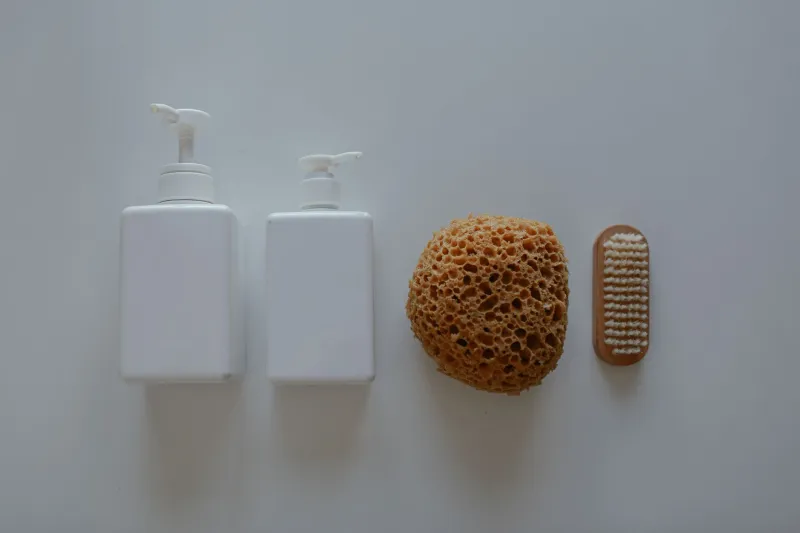
Muji, whose name literally translates to 'no-brand quality goods,' built its entire identity around the absence of identity. No mascot. No celebrity spokesperson. Packaging so minimal it borders on conceptual art. The product is the message, and the message is: we trust you to figure out this is good without us telling you.
Uniqlo plays a similar game, just with slightly more scale. Yes, they do collaborations — Uniqlo x Marimekko, Uniqlo x JW Anderson — but even those feel curated rather than desperate. They're not chasing the moment. They're building a wardrobe. There's a difference, and shoppers feel it even when they can't articulate it.
This approach taps into something psychologists call reactance — the human tendency to want things more when we feel less pressured to want them. When a brand doesn't beg for your attention, your attention becomes a choice. And choices feel good. They feel like identity.
Word of Mouth as a Business Model
Here's where the Japanese approach gets genuinely radical: these brands grow largely through earned trust rather than manufactured buzz.
Muji didn't open its first US store with a splashy influencer event. It opened quietly, let the product speak, and relied on the kind of organic word-of-mouth that money technically can't buy — though a great product absolutely can earn it. People told their friends. Interior design accounts on Instagram discovered it naturally. The brand became a reference point for a certain type of considered, clutter-free living without ever positioning itself as one.
Uniqlo followed a similar path. For years in the US, it was the brand that people who knew about it really knew about, while everyone else was still sleeping. That insider quality — the sense that you discovered something rather than being sold something — is marketing gold. And it's almost impossible to manufacture artificially.
Compare this to the average American DTC brand launch: influencer seeding, paid placements, countdown timers, 'limited drop' urgency tactics. It works, sometimes, briefly. But it also burns through goodwill fast.
American Startups Are Starting to Pay Attention
Something is shifting on this side of the Pacific. A new wave of US-based brands — particularly in wellness, home goods, and apparel — are borrowing liberally from the Japanese playbook.
Brands like Entireworld, Parachute, and even some corners of the skincare industry are leaning into restraint: muted palettes, sparse copy, an almost aggressive refusal to oversell. They're not screaming about ingredients or thread counts. They're letting the aesthetic do the talking and trusting that the right customer will find them.
It's not a perfect analogy — American brands often can't resist the urge to eventually pivot back to performance marketing when Q4 gets rough — but the directional shift is real. The template exists, and it comes with a Japanese return address.
The Psychology of Strategic Invisibility
There's a concept in Japanese aesthetics called ma — the idea that empty space isn't absence, it's presence. It's the pause in music that makes the note before it matter more. It's the gap on a shelf that draws your eye to what remains.
Japanese brands apply ma to marketing instinctively. The silence between their messages isn't dead air. It's breathing room. It's the space where your own desire gets to form without interference.
American brands fill every gap. Japanese brands leave some gaps on purpose.
The result is that when a Japanese brand does speak — a limited collaboration, a seasonal campaign, a thoughtfully placed editorial placement — it lands differently. It feels like news rather than noise.
What This Actually Means for the Future
The whisper economy isn't a niche trend. It's a response to a real and growing problem: consumer exhaustion. As advertising channels multiply and attention spans compress, the brands that choose not to compete in the volume war are going to stand out precisely because of that choice.
Muji isn't cool despite being understated. It's cool because of it. Uniqlo isn't successful despite avoiding hype cycles. It built a loyal customer base that doesn't need hype because the product earns the repeat visit on its own.
For American brands still trying to crack the code on sustainable growth without burning through ad budgets, the answer might be sitting quietly on a minimalist shelf in a Muji store on Fifth Avenue.
All you have to do is stop shouting long enough to hear it.